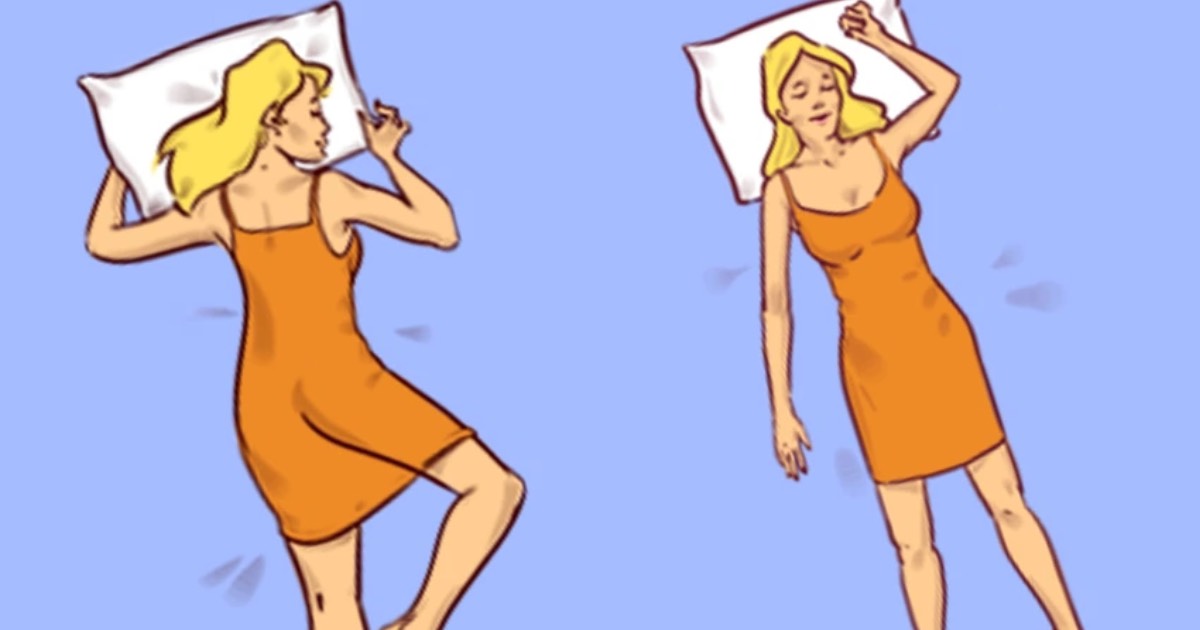
Your sleeping position can significantly impact your health, influencing everything from spinal alignment to digestion. Here’s how different sleeping positions can affect your body:
1. Back Sleeping (Supine Position)
- Pros:
- Spinal Alignment: Sleeping on your back with a supportive pillow keeps your head, neck, and spine in a neutral position, which can help prevent pain.
- Reduced Wrinkles: Your face isn’t pressed against the pillow, which may reduce the risk of developing facial wrinkles.
- Minimizes Acid Reflux: Elevating your head slightly while sleeping on your back can help prevent acid reflux by keeping your stomach below your esophagus.
- Cons:
- Snoring and Sleep Apnea: Back sleeping can cause the tongue and soft tissues to collapse to the back of the throat, increasing the risk of snoring and sleep apnea.
- Lower Back Pain: If your mattress doesn’t provide adequate support, it can lead to lower back pain.
2. Side Sleeping
- Pros:
- Improved Digestion: Sleeping on your left side can help with digestion and reduce acid reflux, as it allows gravity to help move food through the digestive tract.
- Reduces Snoring: Side sleeping can help keep the airways open, reducing snoring and the risk of sleep apnea.
- Pregnancy: Sleeping on the left side is often recommended for pregnant women as it improves circulation to the heart and reduces pressure on the liver.
- Cons:
- Shoulder and Hip Pain: Prolonged side sleeping can put pressure on the shoulder and hip, leading to pain or discomfort.
- Facial Wrinkles and Sagging Breasts: Sleeping on your side can press your face against the pillow, contributing to wrinkles. It may also lead to breast sagging due to gravity.
3. Fetal Position
- Pros:
- Comfortable for Some: Curling up in the fetal position can feel comforting and help reduce snoring by keeping the airways open.
- Good for Pregnancy: The fetal position, especially on the left side, can improve circulation in pregnant women and reduce pressure on the liver.
- Cons:
- Restricted Breathing: Curling up too tightly can restrict deep breathing, which may reduce the oxygen you take in during sleep.
- Joint and Muscle Pain: Sleeping in a tightly curled position can strain the neck and back, leading to stiffness or pain.
4. Stomach Sleeping (Prone Position)
- Pros:
- Reduced Snoring: Stomach sleeping can reduce snoring by keeping the airways more open.
- Cons:
- Neck and Back Pain: Sleeping on your stomach can cause your neck to twist awkwardly, leading to neck and back pain. It also flattens the natural curve of your spine, causing strain.
- Nerve Compression: This position can compress nerves, leading to tingling or numbness in the limbs.
5. Starfish Position
- Pros:
- Reduces Acid Reflux: Like back sleeping, the starfish position (lying on your back with arms and legs spread out) can help reduce acid reflux if the head is slightly elevated.
- Good for Spinal Health: With proper pillow support, this position can promote spinal alignment.
- Cons:
- Snoring and Sleep Apnea: Similar to back sleeping, this position can increase the risk of snoring and sleep apnea.
- Shoulder Pain: If your arms are raised above your head, it can lead to shoulder discomfort.
Tips for Healthy Sleep Posture:
- Use a Supportive Pillow: Choose a pillow that supports your head and neck in alignment with your spine.
- Invest in a Good Mattress: A mattress that supports your body type and sleep position can prevent pain and improve sleep quality.
- Adjust Your Position: If you experience pain, consider experimenting with different sleep positions or using pillows to support your body.
Your sleeping position plays a crucial role in your overall health, so it’s worth paying attention to how it affects your body and making adjustments as needed.