Social media has significantly transformed how people connect and communicate, but it also comes with its downsides, particularly when it comes to friendships. Here are some of the negative effects social media can have on friendships:

1. Superficial Connections
- Social media often encourages shallow interactions, where “likes” and comments replace deeper, more meaningful conversations. This can create a sense of connection that feels hollow and lacks the emotional depth needed for strong friendships.
2. Comparison and Jealousy
- Constantly seeing the highlights of others’ lives can lead to feelings of jealousy or inadequacy. People often compare themselves to their friends, which can breed resentment or dissatisfaction, weakening the bond over time.
3. Miscommunication
- Online communication lacks the nuances of face-to-face interaction, such as tone of voice or body language. This can lead to misunderstandings or misinterpretations, which can escalate into conflicts or feelings of being ignored or dismissed.
4. Neglect of Real-Life Interaction
- Spending too much time on social media can lead to neglecting real-life interactions. Instead of meeting in person or having a meaningful phone conversation, friends may settle for online chats, which are often less fulfilling and intimate.
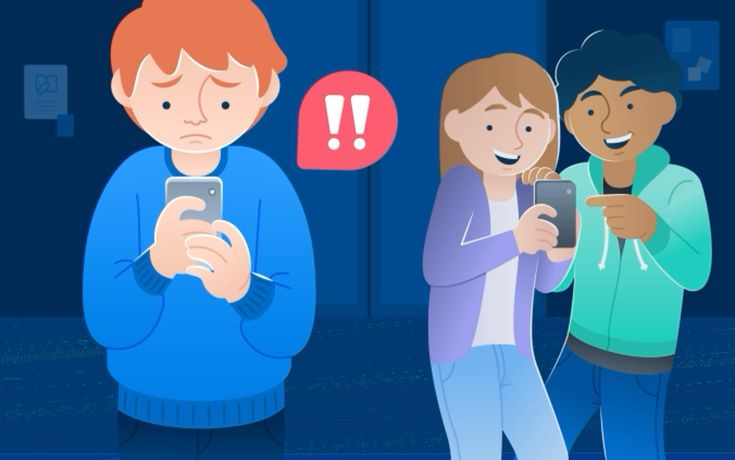
5. FOMO (Fear of Missing Out)
- Seeing friends hang out without you on social media can trigger feelings of exclusion or anxiety. This can strain friendships, making someone feel left out even if the exclusion wasn’t intentional.
6. Pressure to Maintain an Image
- Social media can create pressure to present a certain image, making people feel like they have to live up to unrealistic standards. This can lead to stress in friendships, as people might feel they can’t be their authentic selves for fear of judgment.
7. Conflict Over Social Media Etiquette
- Friendships can be affected by things as simple as not responding to a message, not liking a post, or unfollowing someone. These small actions can be perceived as personal slights, leading to unnecessary tension or conflicts.
8. Reduced Quality Time
- Even when spending time with friends in person, the presence of phones and the temptation to check social media can reduce the quality of interaction. People may become distracted, leading to less engaged and meaningful conversations.
9. Cyberbullying or Gossip
- Social media can sometimes become a breeding ground for toxic behaviors like cyberbullying, spreading rumors, or engaging in passive-aggressive behavior. This can damage trust and lead to the breakdown of friendships.
10. Addiction to Validation
- Social media creates an environment where people may become addicted to external validation (likes, comments, shares). This can alter the dynamic of friendships, where individuals prioritize online attention over genuine connection.
11. Increased Drama
- Publicizing disagreements or venting on social media can amplify conflicts in friendships. What might have been a private issue between friends can become public, causing embarrassment, and complicating resolution efforts.
12. Decreased Emotional Investment
- Because it’s easier to maintain a large number of online acquaintances, social media can lead to less emotional investment in individual friendships. This can result in friendships feeling less deep and more transactional.
13. Loss of Privacy
- Oversharing on social media can blur the boundaries between personal and public life. Some friends may feel uncomfortable with personal details of their lives being broadcast online, which can lead to tension and discomfort in the friendship.
14. Erosion of Trust
- If friends use social media to vent, subtweet, or share information without consent, it can erode trust. Social media can create opportunities for people to say things they wouldn’t say in person, leading to damaged relationships.
15. Emotional Distance
- Although social media can facilitate connection, it can also create emotional distance. Instead of discussing serious issues or emotions face-to-face, friends might rely on casual, surface-level exchanges online, preventing deeper emotional bonds.
In Conclusion:
While social media can offer convenience and connection, it can also negatively affect friendships by encouraging shallow interactions, fostering jealousy, and creating misunderstandings. Balancing online interactions with real-life connection, and being mindful of how social media affects our emotional well-being and relationships, is key to maintaining strong friendships.