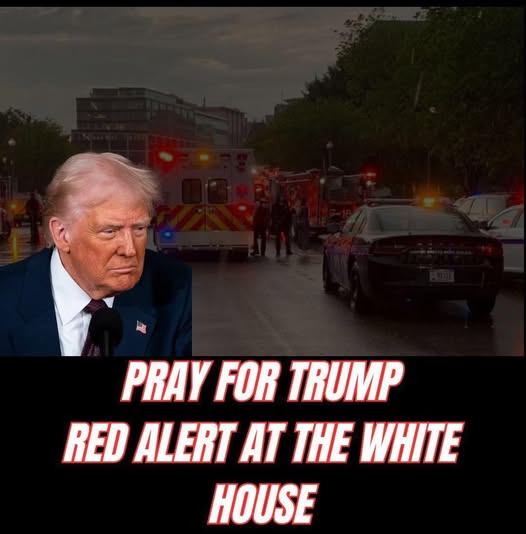
Washington, D.C. is at the center of a political and legal storm as federal authorities assert control over policing. Could this change the balance of power between local governance and the federal government?
Washington, D.C. Becomes Ground Zero for a National Debate
A political storm is brewing in the nation’s capital. The Trump administration is moving to assert greater federal control over law enforcement in Washington, D.C., a move supporters call bold leadership—but critics warn could trigger a constitutional showdown.
Because D.C. is not a state and exists under congressional authority, it occupies a unique constitutional position. That makes the city a testing ground for policies that could one day reshape how the federal government interacts with local communities across the United States.
A “Laboratory” for Crime Policy
The administration has described the District as a “laboratory” for new crime-fighting strategies. Federal officials are stepping in to oversee policing, replacing local leadership with an “emergency police commissioner.”
Proponents argue this shows decisive action to reduce crime. Critics counter that it undermines the Home Rule Act, which guarantees D.C. some level of autonomy, and sets a dangerous precedent for federal overreach.
Congress Prepares for a Fight
Lawmakers on Capitol Hill are split. Republicans, including Senator Lindsey Graham, frame the move as proof of their commitment to law and order. Senator Katie Britt is helping oversee the creation of a proposed “D.C. Security Fund”, suggesting major federal money will flow into policing and infrastructure improvements.
Democrats, meanwhile, are preparing lawsuits and legislative pushback. D.C. Attorney General Brian Schwalb has already filed challenges, arguing that federal overreach threatens the city’s democratic rights.
Beyond Policing: Infrastructure and Economy
The administration’s strategy is not limited to law enforcement. Officials are pushing urban improvements such as street repairs, economic development, and visible infrastructure upgrades, citing the “broken windows” theory—that fixing signs of neglect can reduce crime.
But critics note that poverty, inequality, and lack of opportunity cannot be solved by streetlights and sidewalks alone.
Legal Risks and Constitutional Battles Ahead
Federal authority over D.C.’s police is legally capped at 30 days unless Congress votes for an extension. Some Republicans have floated the idea of declaring a national emergency to bypass limits, but legal experts say that would almost certainly trigger a Supreme Court battle.
If upheld, it could fundamentally redefine the balance of power between the executive branch and local governance.
Community Trust on the Line
For D.C. residents, these shifts have real-world consequences. Removing sanctuary city protections has already changed how police interact with immigrant communities, raising fears about trust and safety. Local officials warn that replacing the city’s police chief with a federally appointed commissioner further erodes accountability.
Community groups have organized protests, saying public safety cannot be built without trust between citizens and law enforcement.
A Model for the Nation?
President Trump has suggested that if the program works in Washington, similar interventions could be rolled out in other cities facing rising crime rates.
That possibility alarms Democratic leaders, who warn of a future with centralized, militarized law enforcement and diminished local control.
What Happens Next
The battle is far from over. Republicans may attach D.C. crime provisions to upcoming government funding bills, forcing Democrats into difficult negotiations. Meanwhile, lawsuits from D.C. officials promise a long legal fight over the limits of federal power.
As this unfolds, Washington, D.C. is more than just a city—it is a testing ground for American democracy. What happens here could set the rules for how much control the federal government may exert over local communities in the future.