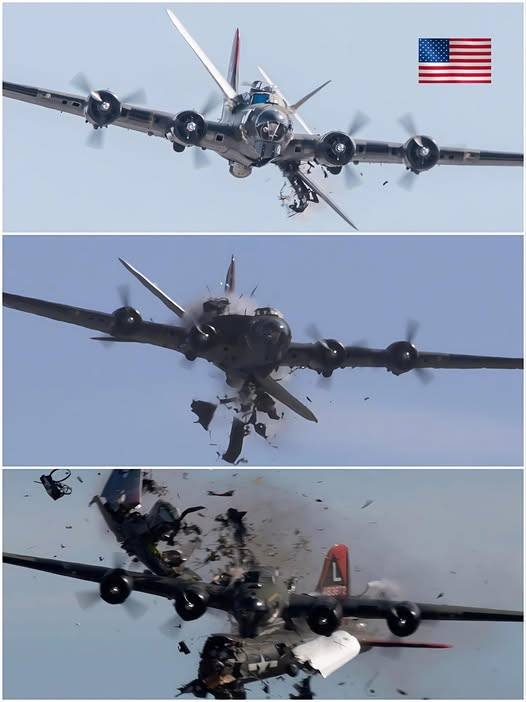
The 2022 Dallas Air Show mid-air collision between a B-17 Flying Fortress and a P-63 Kingcobra shocked the world. Here’s how the tragedy reshaped airshow safety while honoring aviation heritage.
A Day of Tribute Turns to Tragedy
In November 2022, the aviation world was left in shock when a mid-air collision occurred during the Wings Over Dallas airshow in Texas. The event, hosted by the Commemorative Air Force, was meant to honor the legacy of World War II aviation and the brave men and women who served.
Thousands of spectators, including families, veterans, and aviation enthusiasts, gathered to watch rare vintage planes take flight. Instead, they witnessed a devastating accident.
The Aircraft Involved
Two iconic planes were part of the scheduled demonstration:
-
Boeing B-17 Flying Fortress – A four-engine heavy bomber that played a crucial role in Allied campaigns during WWII.
-
Bell P-63 Kingcobra – A rare American fighter from the 1940s, recognized for its unique design and historic significance.
During the performance, the P-63 collided with the B-17 from behind. Both aircraft were destroyed in seconds, and all six crew members on board tragically lost their lives. Thankfully, no spectators were injured on the ground.
Eyewitness Shock and Global Grief
At first, some spectators thought the collision was part of the show. But as debris fell and flames erupted, the truth became painfully clear. Families wept, veterans stood in disbelief, and the global aviation community united in mourning.
Tributes poured in from around the world, honoring the passion and dedication of the crew members who devoted their lives to preserving aviation history.
The Safety Debate: Vintage Planes in Modern Skies
The tragedy sparked urgent conversations about the safety of flying historic aircraft during airshows. While these planes are meticulously restored, many are more than 75 years old and present unique risks.
Experts stressed the importance of:
-
Stricter safety protocols
-
Clearer airshow coordination
-
Enhanced pilot communication
-
Better risk management
The NTSB and FAA launched full investigations, examining flight paths, pilot experience, and event planning. The goal: to learn from the disaster and prevent similar accidents in the future.
Preserving History While Protecting Lives
Despite the sorrow, many in the aviation community emphasize the value of keeping these aircraft flying. Airshows are more than entertainment—they are living history, teaching younger generations about courage, innovation, and sacrifice.
But the Dallas tragedy reminds us that commemoration must never come at the cost of safety. The heroes who fly and maintain these planes deserve the highest levels of protection.
A Legacy That Lives On
The Wings Over Dallas collision will forever be remembered as a moment of deep loss, but also as a turning point. It pushed the aviation community to strengthen safety standards while continuing to honor the past.
The skies carry powerful stories of history. By respecting those stories—and prioritizing human life—we ensure that the sacrifices of the past inspire, educate, and protect future generations.