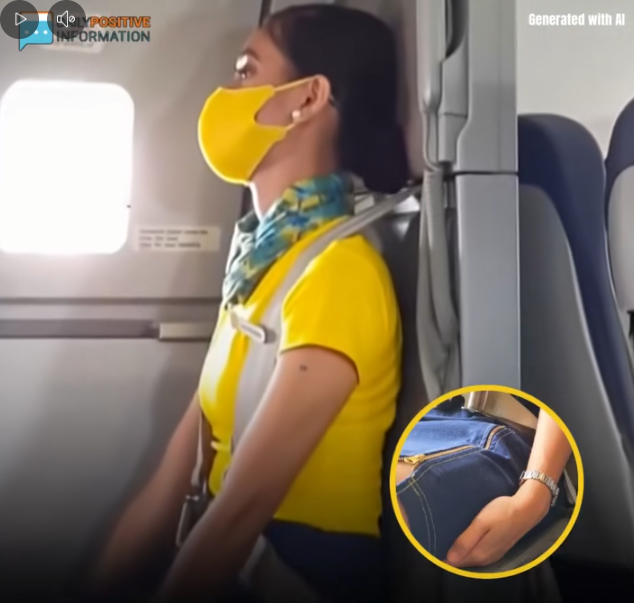
Ever wondered why flight attendants sit on their hands during takeoff and landing? Discover the purpose of the bracing position, explained by certified crew members and aviation experts.
Flight Attendants: More Than Just Service Staff
When people think of flight attendants, they often imagine drinks, meals, and hospitality. But in reality, these professionals are trained safety experts. Their primary duty is protecting passengers during every flight. One of their most important safety procedures is something passengers often find unusual: the bracing position during takeoff and landing.
What Is the Bracing Position?
If you’ve noticed cabin crew sitting upright in their jump seats, hands placed under their thighs, and eyes focused forward, you’ve seen the bracing position in action.
Cebu Pacific flight attendant Henny Lim, whose explanation went viral on TikTok, broke it down step by step:
-
Seatbelt tightened firmly
-
Upright posture against the seatback
-
Hands on thighs with thumbs tucked in to avoid injury
-
Arms relaxed
-
Feet flat on the floor
This posture is not random—it’s practiced in training and only used by certified and eligible flight attendants who have passed strict safety drills.
Why Flight Attendants Use the Bracing Position
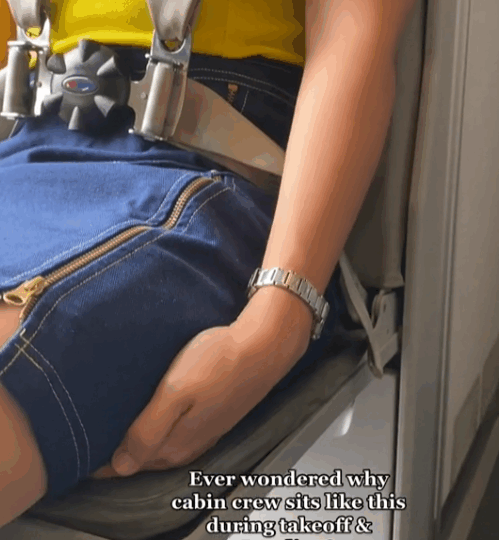
The goal is simple: reduce injury in case of an emergency landing. By locking into this position, cabin crew can:
-
Absorb impact forces
-
Prevent limbs from flailing
-
Stay alert for rapid evacuation
During this time, attendants also perform a “silent review”—mentally rehearsing exit procedures, emergency equipment locations, and commands. This ensures they’re ready to act instantly if needed.
Aviation Authorities Support It
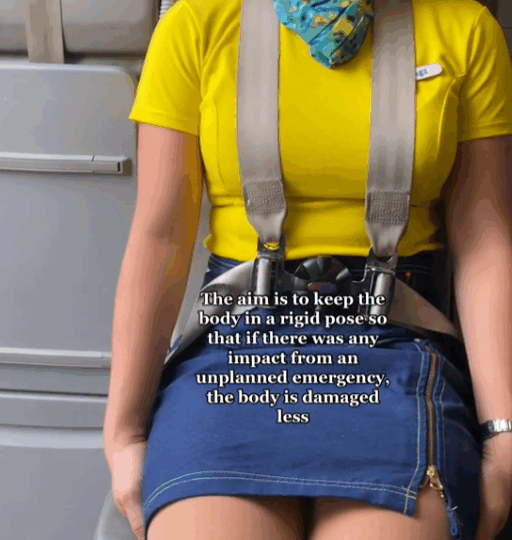
The Federal Aviation Administration (FAA) emphasizes the importance of the bracing position as part of mandatory safety procedures. Only flight attendants who meet strict eligibility standards—through ongoing training and evaluations—are trusted with this responsibility. It’s a reminder that not just anyone can sit in a jump seat.
Flight Attendants Speak Out
Social media has allowed crew members to share more about their work. Henny Lim, along with attendants like Destanie and Esther Sturrus, have highlighted both the serious and humorous sides of their jobs. From dealing with difficult passengers to handling emergencies at 35,000 feet, their insights show just how much responsibility comes with the role.
While the perks include global travel and unforgettable experiences, the job demands emotional resilience, discipline, and continuous training—all key to staying eligible to protect passengers.
Final Thoughts: More Than Just a Routine
The bracing position isn’t a quirky airline habit—it’s a life-saving safety practice grounded in aviation science. Thanks to experienced crew members like Henny Lim, passengers now better understand what goes into ensuring their safety on every flight.
Next time you fly, remember: when you see flight attendants sitting in that posture, they’re not just following rules—they’re actively preparing to protect you.