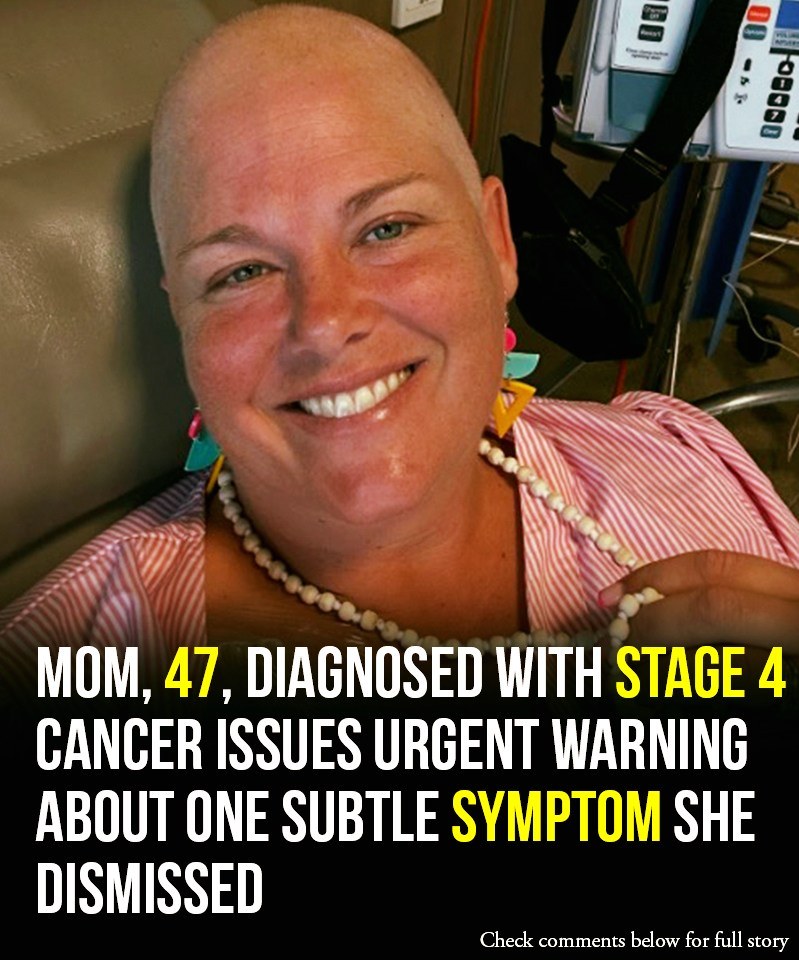
A man with terminal cancer shares a critical warning: a seemingly minor symptom led to his diagnosis. Read his warning and learn the small sign many overlook that could make all the difference.
I used to think major illness only comes full blast—terrifying symptoms, urgent ER visits, complications.
Then I became a terminal cancer patient, and what changed my life wasn’t the big red flags—it was a small, easy-to-miss symptom.
Now I’m sharing it so someone else might catch their illness early and avoid the road I took.
The Symptom I Ignored
It started with something I dismissed: a persistent throat tickle, a slight change in my voice when I spoke early in the morning.
It wasn’t painful, didn’t stop me going about my day. So I ignored it.
Weeks later, the tickle became a roughness. And then I had trouble swallowing hard foods.
By then, the doctors found a tumour. It had already spread.
Why This Small Sign Mattered
According to sources, symptoms like persistent change in voice, difficulty swallowing, or a persistent cough lasting more than a few weeks could signal serious cancers of the throat, oesophagus, or lungs.
In my case it was subtle—and I booked every other excuse except the one I should’ve faced.
My Terminal Diagnosis
When I got the diagnosis I was stunned. “Terminal” meant this wasn’t just treatable—it was now managing. The small ignored symptom had become part of a bigger, more urgent issue.
I realised: if I’d heard the warning when it was just a tickle and a voice change, maybe I’d be in a very different place right now.
What I Want You to Know
-
If you notice any change in your voice, persistent sore throat, difficulty swallowing, or a cough that won’t quit for weeks, don’t ignore it.
-
Early detection matters. The list of symptoms doctors say you shouldn’t ignore includes voice changes, skin changes, unexplained weight loss, persistent fatigue.
-
It’s better to be told “nothing serious” than to live with regret when the serious becomes irreversible.
-
Speak up. Push your doctor. Get the test. The earlier you catch it, the more options you’ll have.
Final Thoughts
I won’t sugar-coat it: my path is hard. My illness is advanced. But even at this stage, I’m grateful for every moment I have—and I’m using this time to share this warning.
If just one person reads this and acts when they feel something small and odd, maybe they’ll avoid the pain I’m going through.
Small things matter. Listen to your body. Act early. Don’t wait until the small becomes massive.