When my wife’s family moved in, tension and disrespect nearly broke our marriage. I set firm boundaries, used calm strategy, and reclaimed our home — a powerful, non-violent lesson about respect and family limits.
My Wife’s Family Moved Into Our Home and Almost Ruined My Marriage — Until I Taught Them a Lesson They’ll Never Forget
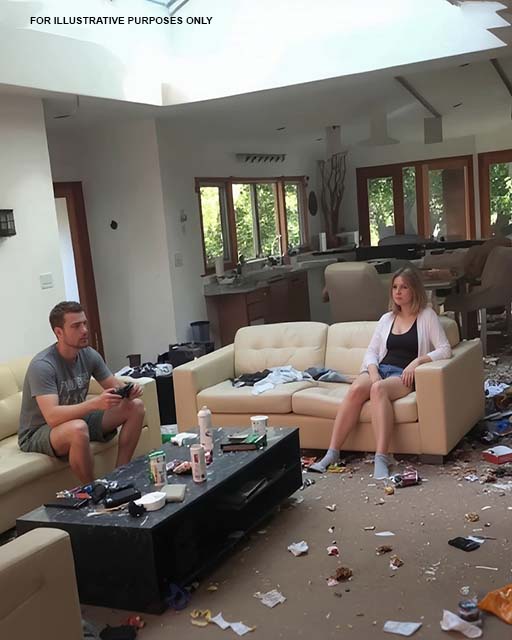
When my wife’s family needed a place to stay, we did what many couples would do: we opened our door. At first it felt like the right thing—family helping family. But what started as kindness soon grew toxic. In a few short months our home became a war zone, our marriage frayed, and I knew something had to change.
Here’s what happened, how I handled it, and the non-violent lesson that fixed everything.
How It Started — and How It Fell Apart
They arrived in good spirits. My wife’s sister and her two kids needed a temporary place after a tough move. We said yes. We set a few rules on paper: chores, rent contribution, and a finish date. It felt fair.
Then the rules were ignored.
Small things piled up: dishes left for days, guests showing up without notice, loud arguments late into the night, and comments about how I “wasn’t doing enough” around the house. My wife grew stressed trying to keep the peace. I grew resentful. We argued more. Simple conversations turned into shouting matches. Our marriage—once the priority—slid to the bottom of the list.
The Moment I Knew I Had to Act
One night I came home to find our family photos taken down and replaced by framed photos of my in-laws. A plate of food was missing from the counter and my favorite chair had been claimed. That was the tipping point. I realized I could either accept being pushed out of my own home, or I could take action in a calm, smart way.
I chose the latter.
The Plan: Calm, Legal, and Respectful
I didn’t want drama. I didn’t want to humiliate anyone. I wanted our home back—and our marriage saved. So I did three things, in this order:
-
Talked to my wife (privately). No accusations, no yelling. I explained how I felt and asked how she felt. We agreed we needed to act together, not at each other. That made all the difference.
-
Reissued the house rules—firmly. We sat down with everyone and went over the rules again: contribution to bills, chores schedule, visitor policy, noise curfew, and a strict move-out date. This time we wrote the expectations on a visible calendar and everyone signed it.
-
Applied consequences—consistent and fair. If someone didn’t follow the rules, there were clear consequences: reduced privileges, paying a small fee into a “house fund,” or, as a last resort, finding alternative housing. We were ready to enforce those consequences.
I made one promise to myself: be calm, be consistent, and keep my marriage first.
The Turning Point: Boundaries Held Firm
At first, there was pushback. My brother-in-law complained. My wife’s sister tried to skirt chores. But because we were united and clear, the rules stopped being negotiable. When the family missed their first payment into the house fund, we politely reminded them of the signed agreement — and enforced the small consequence. That was the turning point. People suddenly took the rules seriously.
My wife noticed the tension in her voice ease. We smiled more. We argued less.
The Lesson They’ll Never Forget (And Neither Will I)
The lesson wasn’t revenge—it was respect. By setting clear boundaries and enforcing them calmly, I taught three things that mattered:
-
Respect for our marriage as the top priority. We were a family unit first; guests second.
-
Shared responsibility matters. Living together means sharing real costs—money, time, and respect.
-
Boundaries keep love alive. Rules aren’t mean; they protect the people who live under the same roof.
A few weeks later, they moved out—on the date they had promised. It was a quiet goodbye. They left cleaner than when they arrived and even left a note apologizing for the stress they caused. My wife and I felt closer than before. Our home felt like ours again.
What I Learned—and What Might Help You
-
Talk early, not later. Address friction as soon as it appears. Small problems don’t fix themselves.
-
Be a united front. Marriage decisions about the home must be made together. If you act alone, you risk alienating your partner.
-
Write it down. A signed agreement removes excuses and shows seriousness.
-
Use fair consequences. Enforce small, logical penalties—not humiliation or threats.
-
Choose calm firmness over anger. People respect steadiness more than a loud reaction.
Final Thought: Protection Over Punishment
The “lesson” I taught wasn’t about getting revenge or making people feel small. It was about protecting my marriage, my home, and my peace of mind. Sometimes love means being the grown-up and making tough choices. In the end, it saved our family.