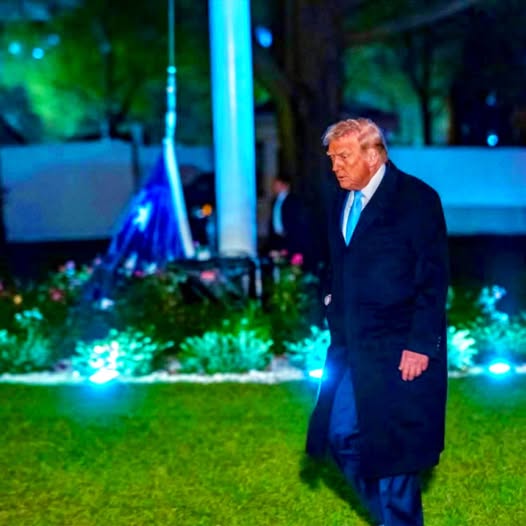
More unfavorable news emerges for Donald Trump as federal prosecutors file historic charges tied to the 2020 election. Here’s a clear, simple breakdown of what the indictment means.
More Unfavorable News Emerges for Donald Trump
The United States entered unknown territory after federal prosecutors announced a major criminal indictment against former President Donald Trump. The news spread quickly across the country and sparked strong reactions on both sides of the political divide.
This moment is historic. Never before has a former U.S. president faced federal charges of this size and seriousness connected to actions taken while in office and after an election. For many Americans, the case raises a difficult question: where does presidential power end and criminal law begin?
What the Indictment Is About
According to prosecutors, the indictment focuses on claims that Trump led a coordinated effort to overturn the results of the 2020 presidential election. The charges include:
- Conspiracy to defraud the United States
- Obstruction of an official proceeding
- Conspiracy against rights
Together, these charges accuse the former president of trying to interfere with the peaceful transfer of power, a core principle of American democracy.
Prosecutors say the case is not about lawful challenges to election results. Instead, they argue it involves deception, pressure on officials, and actions meant to block the official counting of electoral votes.
Key Claims from Prosecutors
The indictment outlines what prosecutors describe as a long-running plan that unfolded in the weeks after the election. They allege that Trump continued to promote claims of widespread voter fraud even after being told by advisers, campaign staff, and government officials that there was no evidence to support those claims.
Prosecutors argue that Trump knew the claims were false but used them anyway to delay or stop the certification of the election results. If proven, they say, these actions harmed the democratic process and the constitutional system itself.
One of the most important charges is conspiracy to defraud the United States. This charge does not require financial loss. Instead, it focuses on whether someone interfered with lawful government duties through deception. In this case, prosecutors say that duty was Congress’s role in counting electoral votes.
January 6 and Obstruction Charges
Another major charge is obstruction of an official proceeding. Prosecutors claim Trump’s actions were meant to disrupt Congress during the certification of the Electoral College results on January 6, 2021.
This charge has already been used in many January 6-related cases. Applying it to a former president makes the case even more significant. Prosecutors argue that no one is above the law, regardless of their position.
Alleged Impact on Voters’ Rights
The indictment also includes a conspiracy against rights charge. This accusation centers on the claim that Trump and others tried to interfere with citizens’ right to have their votes counted.
By including this charge, prosecutors frame the case as more than a political dispute. They argue it affected millions of voters and attempted to cancel the outcome of a lawful election.
Trump’s Response and Defense
Donald Trump has strongly denied all accusations. He calls the indictment politically motivated and says it has no legal basis. His legal team argues that his actions were protected by the First Amendment and fall under political speech.
According to the defense, challenging election results and criticizing government processes are common in U.S. politics. They are expected to argue that prosecutors are turning political behavior into criminal conduct, which could set a dangerous precedent for future leaders.
Legal Experts Are Divided
Legal scholars do not agree on the case. Some say the Constitution does not protect former presidents from criminal charges, especially for actions outside official duties. They argue that accountability is essential if the rule of law is to mean anything.
Others warn that the case raises difficult questions about intent, free speech, and how criminal law should be used in highly political situations.
Political and Global Impact
The indictment has deepened political divisions across the country. Supporters of Trump see it as proof that government institutions are being used against him. Critics say it is a necessary step to protect democratic norms.
The timing adds even more tension. Trump is running for president again, meaning the trial may unfold during an election campaign. This creates new legal and constitutional challenges that courts have never faced before.
Internationally, the case is being closely watched. Allies and rivals alike are paying attention to how the United States handles charges against a former leader who once held enormous power.
Why This Case Matters
Regardless of the final outcome, this case is already changing how Americans think about presidential power and accountability. It challenges the idea that former presidents are untouchable and forces the country to define clear legal limits.
In the end, the indictment represents a major test for American democracy. It highlights the balance between political freedom and the rule of law. As the case moves forward, it may shape how future leaders are judged—and how democracy itself is protected—for generations to come.