It’s true that home can sometimes be a source of stress or problems, even though it’s meant to be a sanctuary. When home life becomes complicated or toxic, it can affect your overall well-being. Here are some reasons why home might contribute to your problems, along with thoughts on how to cope:
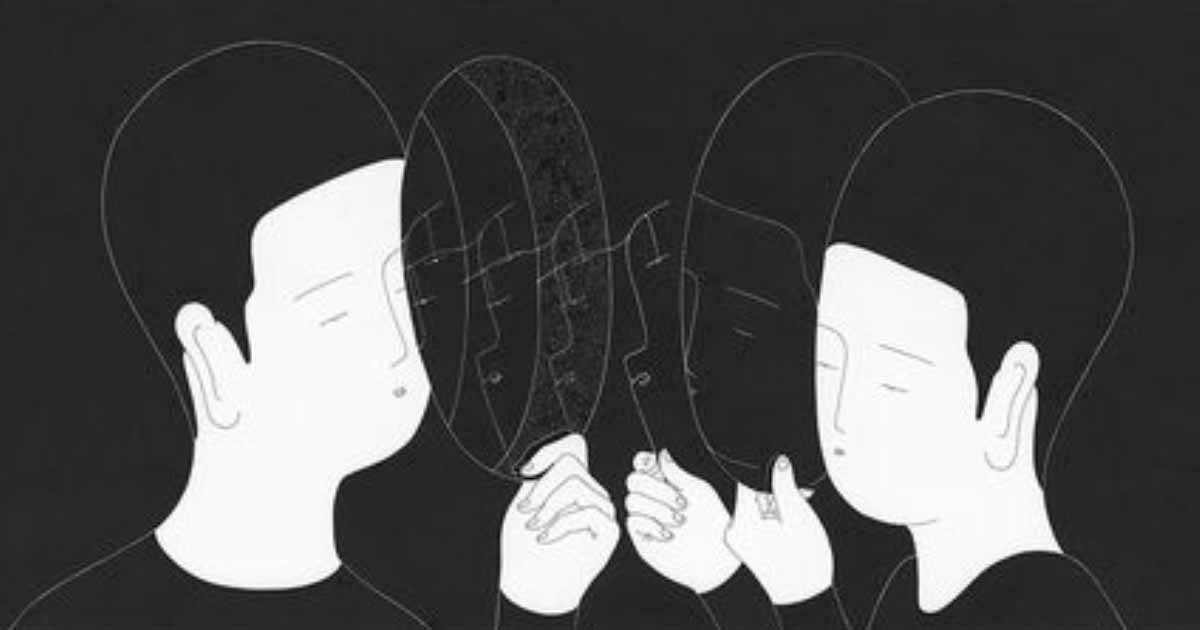
1. Toxic Relationships
- Conflict and Tension: If there’s constant conflict with family members or housemates, it can create an environment of stress and anxiety, making it hard to feel safe and relaxed at home.
- Emotional Drain: Living with toxic individuals can be emotionally draining, leaving you feeling exhausted and impacting your mental health.
2. Lack of Support
- Feeling Alone: A home should ideally be a support system, but if it lacks emotional support, it can leave you feeling isolated and misunderstood.
- Unresolved Issues: Not having a safe space to discuss problems can lead to unresolved tensions, which can compound over time.
3. Unhealthy Dynamics
- Codependency: Sometimes, family dynamics can foster codependency, where individuals feel responsible for each other’s emotions, leading to resentment and stress.
- Neglect or Overbearing Control: A home environment that is either neglectful or overly controlling can stifle personal growth and lead to feelings of inadequacy or frustration.
4. Expectations and Pressure
- High Expectations: Families often place expectations on each other that can feel suffocating, leading to pressure to conform or succeed in ways that may not align with your own desires.
- Judgment and Criticism: Constant judgment or criticism from family members can damage self-esteem and create a fear of failure, making it hard to feel secure in your choices.
5. Stressful Environment
- Physical Space: A cluttered or disorganized home can lead to stress and anxiety, making it difficult to relax or focus.
- Noise and Chaos: A chaotic or noisy home environment can be distracting and overwhelming, making it hard to find peace or solitude.
6. Triggers of Past Trauma
- Reminders of Pain: For some, home can be a reminder of past trauma, whether it’s due to family dynamics, memories, or unresolved issues, making it a source of anxiety rather than comfort.
- Revisiting Old Patterns: Living in a familiar environment can trigger old patterns of behavior and emotional responses that are not healthy.
7. Financial Stress
- Economic Strain: Financial problems at home, whether due to bills, housing issues, or job loss, can create significant stress and tension within the household.
- Worry and Anxiety: The stress of financial burdens can seep into family dynamics, leading to arguments and conflict.
8. Isolation from the Outside World
- Limited Social Interaction: If home life is strained, you might find yourself isolating from friends or social activities, which can exacerbate feelings of loneliness or depression.
- Lack of New Perspectives: Staying in a difficult home situation without external perspectives can make it harder to see solutions or alternatives.
9. Difficulty in Setting Boundaries
- Struggle to Establish Limits: It can be hard to establish healthy boundaries with family members, leading to feelings of being overwhelmed or controlled.
- Fear of Rejection: Concerns about how boundaries will be received can prevent you from taking necessary steps to protect your emotional well-being.
10. Ways to Cope
- Seek Support Outside: Building a support network outside the home, whether through friends, therapy, or community groups, can help alleviate feelings of isolation.
- Set Boundaries: Learn to establish and communicate your boundaries with family members to create a healthier dynamic.
- Create a Safe Space: If possible, carve out a physical or emotional space within your home that feels safe and calming for you.
- Focus on Self-Care: Prioritize activities that nurture your mental and emotional well-being, whether it’s exercise, hobbies, or mindfulness practices.
- Communicate Openly: If it feels safe, express your feelings to family members. Open communication can sometimes alleviate tension and lead to understanding.
- Consider Change: If home continues to be a source of pain, it might be worth considering changes, whether it’s discussing living arrangements or finding a new place if possible.
Conclusion
While home is ideally a place of comfort and support, it can sometimes become a source of stress and pain. Recognizing the factors that contribute to this can help you take steps toward improving your situation. You deserve a space where you feel safe, valued, and supported, so take the necessary steps to prioritize your well-being.