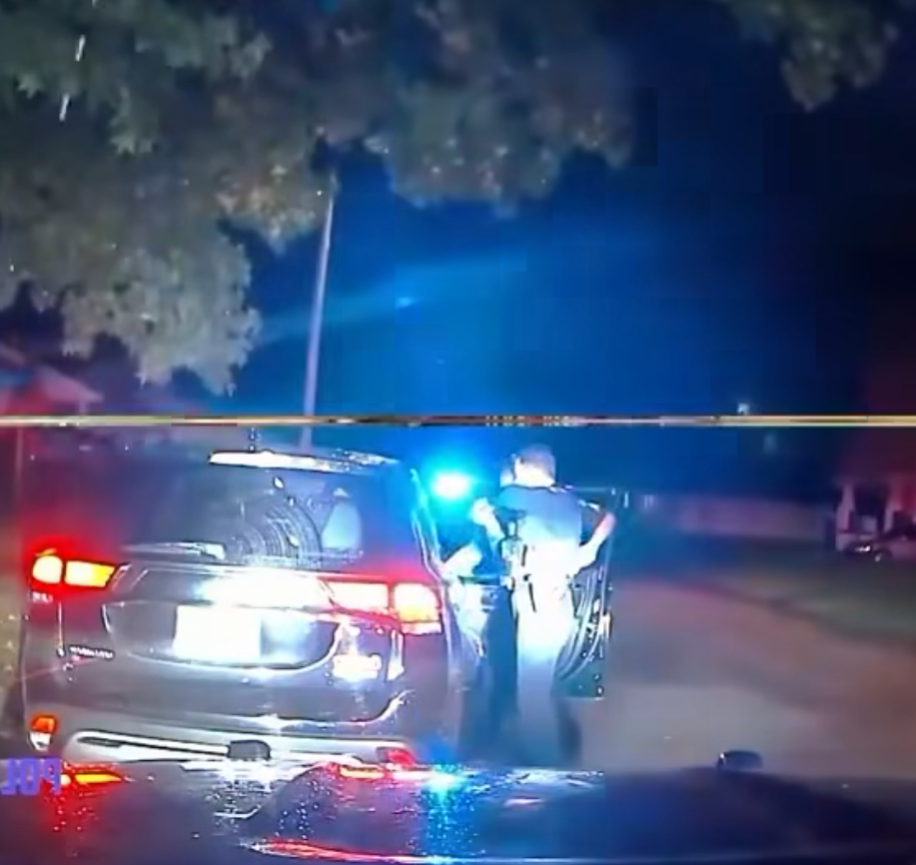
A Charleston deputy was shot and critically injured during a traffic stop by a known gang leader. The attack raises urgent concerns about rising gang violence in South Carolina.
A Routine Stop Turns Violent
What started as a standard traffic stop in Charleston quickly escalated into a life-threatening confrontation. A deputy pulled over a suspicious vehicle on a quiet, dimly lit roadway. Instead of cooperation, the driver—later identified as a known gang leader—opened fire on the officer.
The deputy was struck multiple times but managed to call for backup before collapsing. Emergency responders rushed him to the hospital, where doctors stabilized him. Many are calling his survival nothing short of miraculous.
The Suspect’s Gang Ties
Authorities confirmed that the shooter was a leader in the Gudda Boy Gang (GBG), a criminal group linked to drug trafficking, illegal firearms, and violent crimes across South Carolina. His record showed repeated arrests and suspected involvement in organized gang operations.
Experts believe the shooting was not just a reaction, but a deliberate show of defiance against law enforcement.
Citywide Manhunt and Arrest
Following the attack, Charleston police launched an intensive manhunt with support from state and federal agencies. Helicopters scanned neighborhoods, roadblocks were set up, and tactical teams surrounded suspected hideouts.
After hours of searching, the suspect was located and arrested following a brief standoff.
Community Reaction
The shooting shocked Charleston residents. Vigils formed outside the hospital where the deputy was recovering. Citizens, church leaders, and officials gathered to pray and show support for the wounded officer.
“This was not just an attack on one deputy,” said one city official. “It was an attack on Charleston as a whole.”
Rising Gang Violence in South Carolina
This case reflects a troubling trend: gang-related violence is increasing across South Carolina. Once concentrated in major cities, gang activity is now spreading into suburban and rural areas. Groups like GBG recruit vulnerable youth and use fear and loyalty to expand their influence.
Law enforcement has warned that these networks are becoming more brazen and confrontational.
The Challenge for Law Enforcement
Traffic stops, one of the most routine duties for officers, have proven to be among the most dangerous. Departments across the nation are investing in better training, body cameras, and communication systems—but incidents like this show the risks can never be fully eliminated.
The Charleston Sheriff’s Office has since vowed to strengthen safety protocols and work more closely with the community.
Moving Forward: A Community United
Charleston’s residents have responded with resilience. From hospital vigils to community forums, citizens are determined to stand against violence. Local organizations and churches are stepping up efforts to mentor at-risk youth and prevent gang recruitment.
The deputy’s survival, along with the swift arrest of the suspect, has become a rallying point for unity.
Conclusion
The Charleston deputy shooting was more than an isolated crime—it was a wake-up call. It exposed the growing danger of organized gangs in South Carolina while reminding the community of the risks law enforcement officers face every day.
But Charleston has shown strength in the face of violence. Through unity, vigilance, and cooperation, the city is determined not to let crime define its future.