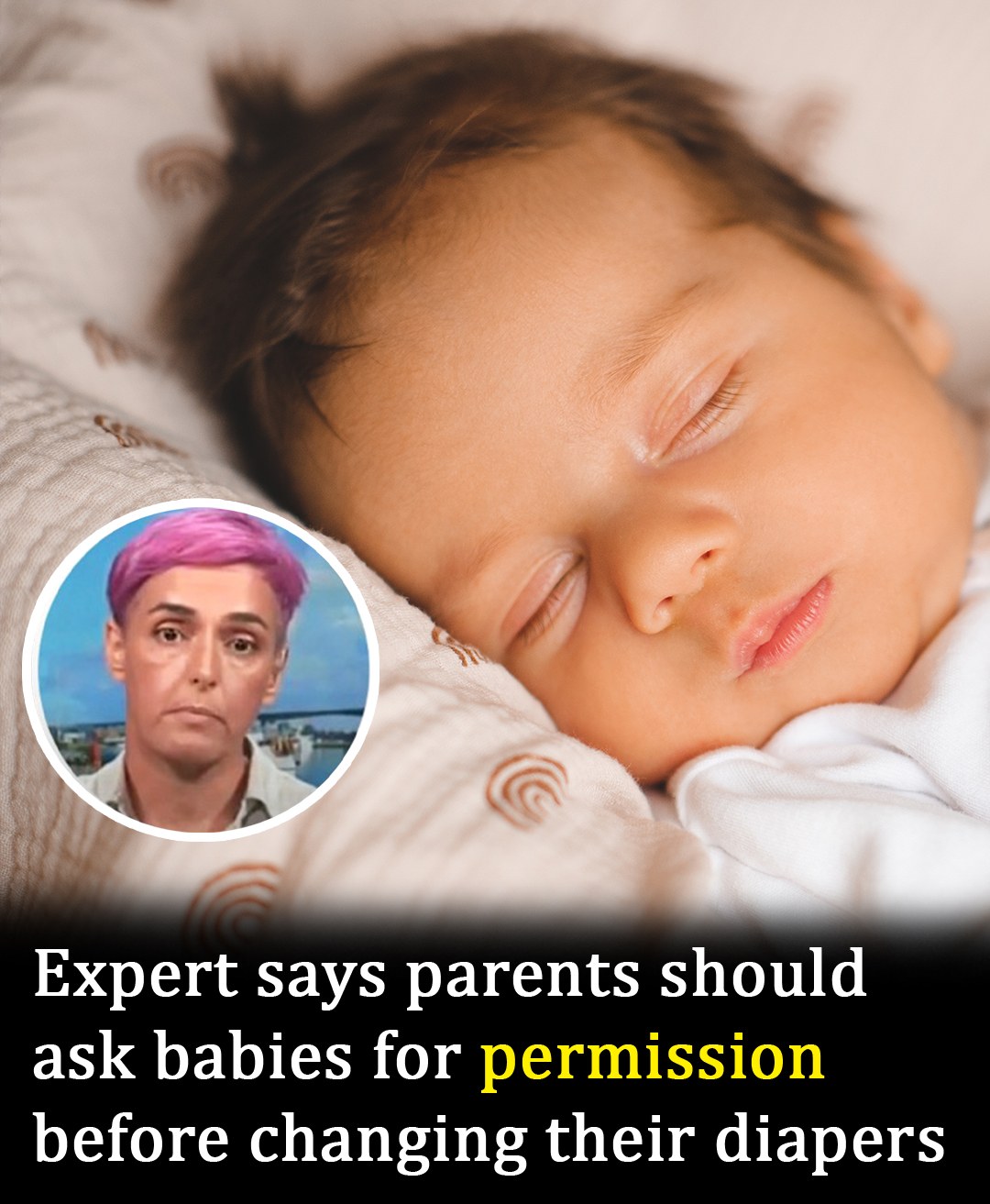
Australian educator Deanne Carson says parents should ask babies for consent before changing diapers. Discover what she means, why it’s controversial, and how it fits into modern parenting trends.
Expert Advises Parents to Seek Baby’s Consent Before Diaper Changes
Australian sexuality educator Deanne Carson has stirred global debate after suggesting that parents should ask for their baby’s consent before changing diapers. While many found the idea strange or unrealistic, Carson says it’s about teaching respect and consent from the very beginning of a child’s life.
What Does “Baby Consent” Really Mean?
Carson, who works as a sexuality educator and speaker, explains that it’s not about expecting a baby to say “yes” or “no.” Instead, she recommends parents talk to their babies during diaper changes — for example, saying, “I’m going to change your diaper now, okay?” — and pausing briefly to observe their baby’s body language or facial expressions.
According to Carson, this small habit helps build trust, awareness, and communication early on. She believes it encourages children to grow up understanding that their bodies deserve respect and that others should always ask before touching them.
The Science Behind the Idea
Experts agree that babies communicate long before they can talk. Through eye contact, gestures, sounds, and movement, infants express comfort or distress. Carson’s approach aligns with modern parenting methods that emphasize emotional intelligence and mindful communication.
By including consent-based language in everyday care, parents can create a home environment where children feel respected and understood — even before they learn to speak.
Critics Call It “Impractical” and “Overly Political”
Despite its intentions, Carson’s idea has faced widespread criticism. Many say asking a baby for permission before a diaper change is unrealistic and unnecessary. Rowan Dean, editor of The Spectator Australia, called it “lefty lunacy,” arguing it reflects excessive political correctness. Psychologist John Rosemond also dismissed it as confusing and potentially harmful to family dynamics.
Social media users responded with humor and disbelief. Some joked that if parents must ask babies for consent, they might as well ask their pets before feeding them. Others argued that a crying baby is already giving “consent” by signaling discomfort.
Supporters Say It Encourages Respect and Awareness
Not everyone disagreed with Carson. Some parents and educators defended her, saying the idea of consent — even if symbolic — helps shape how children view boundaries and communication. They believe that recognizing babies’ non-verbal signals teaches empathy and strengthens parent-child bonds.
A Reflection of Changing Parenting Styles
This debate highlights a growing divide in modern parenting philosophies. Some families welcome progressive, child-centered approaches that emphasize respect and autonomy, while others prefer traditional methods focused on practicality and authority.
Carson’s message doesn’t mean ignoring a baby’s needs. She emphasizes that parents must still act quickly to ensure comfort and hygiene. Her suggestion is simply to add a layer of respect and mindfulness to the process.
Final Thoughts
Whether you agree or disagree, this discussion about early consent education is reshaping how many parents think about caregiving and communication. For some, it’s a meaningful step toward nurturing confident, respectful children. For others, it’s an unnecessary complication of simple tasks.
What do you think? Should parents introduce the concept of consent from infancy — or wait until children can understand it better?
Share your thoughts below and join the conversation on respectful parenting and child development.