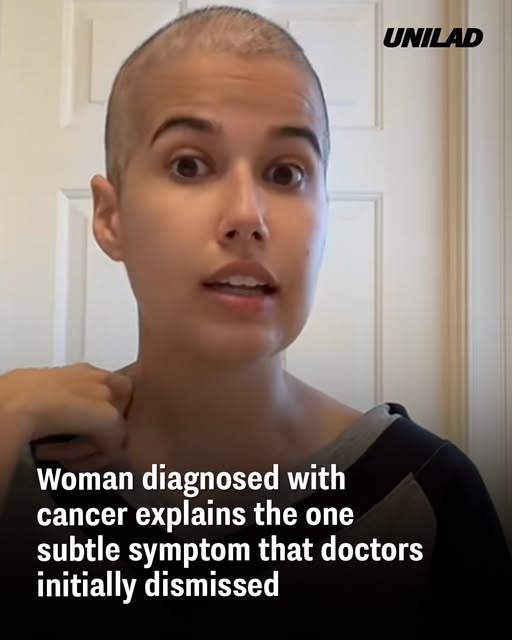
A 26-year-old woman reveals how a single swollen lymph node — a symptom doctors initially ignored — led to her shocking diagnosis of T-cell acute lymphoblastic leukemia, a rare and aggressive blood cancer.
Woman Diagnosed With Cancer Explains the One Subtle Symptom Doctors Initially Dismissed
A 26-year-old medical student has shared how one seemingly harmless symptom — a swollen lymph node — turned out to be the first sign of a rare blood cancer that doctors initially dismissed.
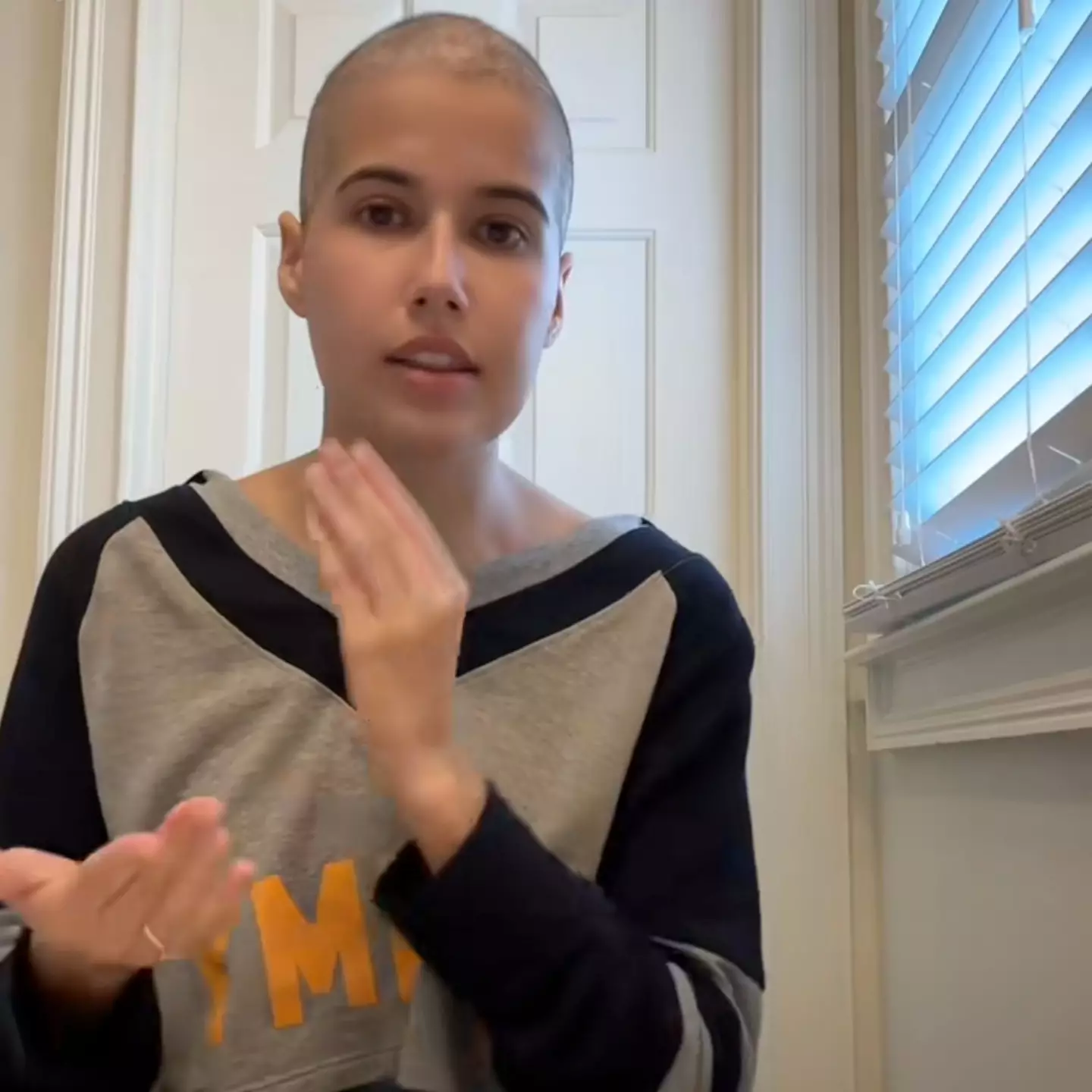
Anabel Brenner Schleicher, a medical student from the U.S., was diagnosed with T-cell acute lymphoblastic leukemia (T-cell ALL) — a rare and fast-growing cancer that affects white blood cells — four months after her first doctor’s visit.
According to Cancer Research, T-cell ALL most commonly affects young adults and develops rapidly within weeks. In 2022, an estimated 120,000 Americans were living with acute lymphocytic leukemia.
🩺 The Subtle Sign She Almost Ignored
Anabel first noticed a swollen lymph node on her neck in March.
“I had no other symptoms at the time other than the lymph node,” she told People magazine. “The main concern was that more enlarged lymph nodes were continuously popping up down my neck.”
Assuming it was caused by a minor infection, she waited for it to go away. But after two weeks, when the swelling persisted, she visited her doctor.
Routine blood tests came back normal, and an ear, nose, and throat (ENT) specialist told her there was “nothing to worry about.”
.jpg)
Five weeks later, more swollen glands appeared — including above her collarbone and under her arms. Even then, her doctor reassured her it was “unlikely to be cancer” and ordered further tests only as a precaution.
“Even with the ultrasound and biopsy ordered, he said cancer was highly unlikely. He was only doing it to be safe,” Anabel recalled.
When bruises began appearing on her legs — something she said “never happened before” — further tests were done. Soon after, a hematologist confirmed what she feared most: T-cell acute lymphoblastic leukemia.
💍 A Heartbreaking but Hopeful Turning Point
Anabel’s treatment was set to begin on July 31, 2025, but she wanted one special day before chemotherapy began — her wedding.
“I just wanted to wear my dress, have my hair done, and feel like myself,” she said. She and her fiancé moved the ceremony to the day before her hospital admission.
Since then, the couple has moved in with her parents for support while she undergoes treatment.
As of October 2025, Anabel is in the consolidation phase of chemotherapy — a stage that lasts nearly three months and helps eliminate any remaining cancer cells undetectable by standard tests.
She explained:
“Then comes interim maintenance for 56 days, delayed intensification for 63 days, and finally maintenance — which lasts about two years. Once I reach maintenance, life should feel more normal again.”
⚠️ Other Early Signs of T-Cell ALL
According to the Cleveland Clinic, early symptoms of T-cell acute lymphoblastic leukemia can be subtle and easily mistaken for minor illnesses. They may include:
-
Swollen lymph nodes
-
Unexplained bruising or bleeding
-
Persistent fatigue or weakness
-
Night sweats
-
Fever above 103°F (39.5°C) that doesn’t go away
-
Unexplained weight loss
-
Pain in the bones, chest, or abdomen
Doctors urge anyone experiencing persistent or unexplained changes in their body to seek medical evaluation as early diagnosis can dramatically improve outcomes.
💫 SEO Summary (for Google snippet):
When 26-year-old Anabel noticed a swollen lymph node, doctors said it was nothing serious. Months later, it turned out to be T-cell acute lymphoblastic leukemia — a rare and aggressive blood cancer that changed her life.