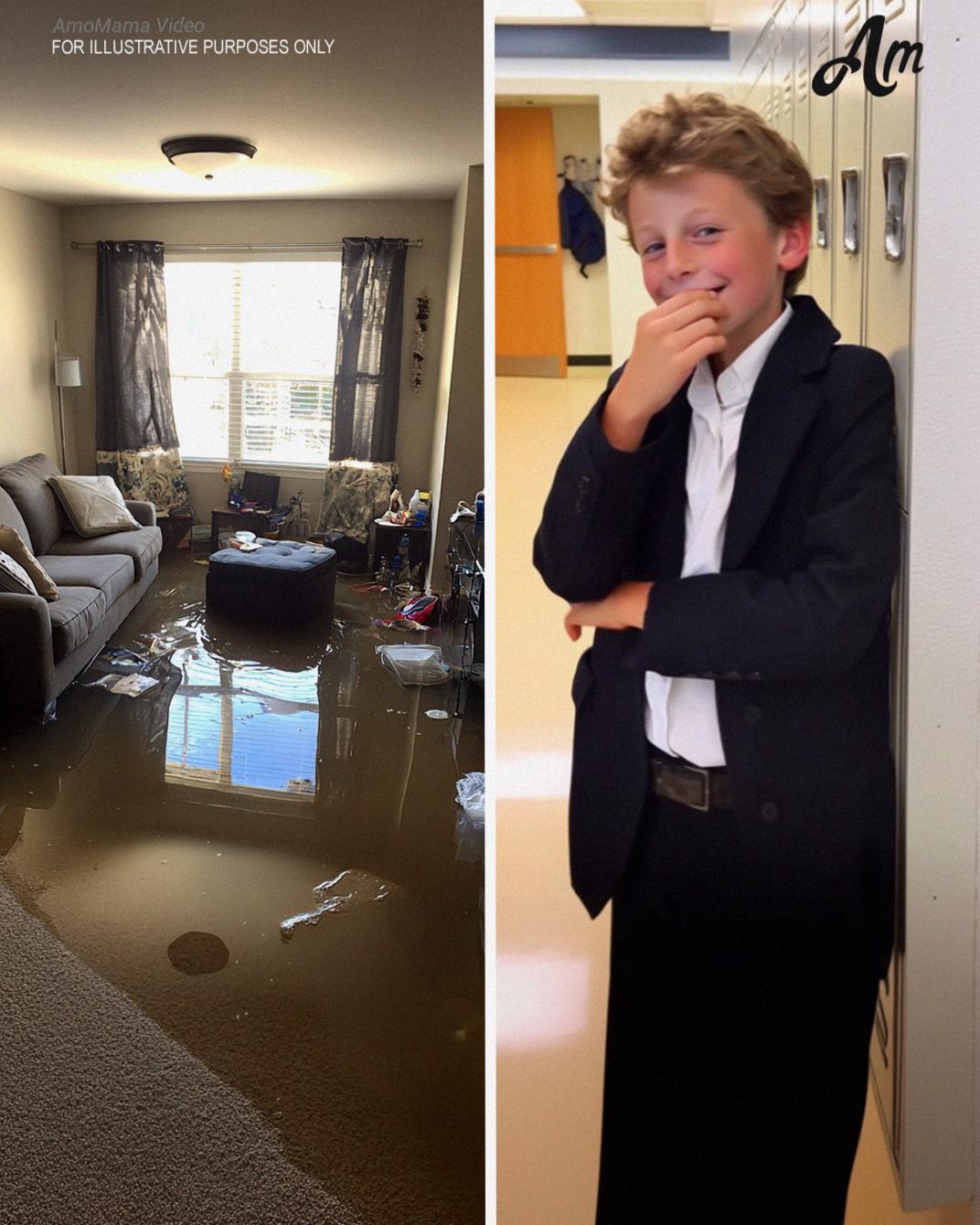
A brand-new home flooded after a child shoved Play-Doh down the toilet. When his parents refused to cover repairs, the homeowner used photos, proof, and the small-claims system to get justice — and taught the family a lesson about responsibility.
My Nephew Stuffed Play-Doh Down the Toilet and Flooded Our Brand-New House — His Parents Refused to Pay, So I Taught Them a Lesson
We just finished renovating our dream home. New floors, fresh paint, and that clean-house feeling you can’t wait to show off. Then one Saturday afternoon the phone rang: my sister sounded frantic — her four-year-old had flushed a chunk of Play-Doh “to see what happens.” Two hours later our downstairs bathroom was a small lake and water was seeping into the new living-room wood floor.
We discovered the toilet was completely blocked. The plumber pulled out congealed Play-Doh, hair, and paper. The repair bill? $1,200 for emergency service, extraction, and a follow-up to make sure the pipes hadn’t been damaged. The flooring repair would be another $3,500 if the subfloor had to be replaced.
We told my sister and her husband: this is on them. It was their child. They were calm at first, said they’d “figure something out,” then stopped answering texts. Two weeks later: no payment, no apology, and the stain on our new floor staring at us.
Document Everything — The First Move That Saved Us
I learned quickly that emotion doesn’t fix anything — paper does. I took these practical steps:
-
Photos and video of the flooding and clogged toilet (timestamped).
-
Plumber’s invoice and report showing Play-Doh and the cause of the backup.
-
Repair estimate for the flooring with a contractor’s written quote.
-
A calm written demand to my sister: a polite but firm message explaining the damage, attaching the invoice and estimate, and asking for reimbursement within 14 days.
If you ever face household damage like this, this is your first, most important step: gather evidence. It turned what felt personal into an objective case.
The Refusal — and the Shift to Rules, Not Rage
When she refused — blaming “kids being kids” — I could have exploded. Instead, I made a plan that was fair and hard to ignore:
-
I sent a formal invoice (not just a text) with the plumbing bill and flooring estimate. Professional, polite, and unmistakable.
-
I offered a payment plan so they could pay in installments if money was tight. No response.
-
I told them calmly I would file in small claims court if necessary, and that the court would likely rule in our favor given the clear evidence.
Often, escalation is enough. People don’t like paperwork or court dates. It turns a fuzzy excuse into a real responsibility.
The Lesson That Worked — Legal, Practical, and Not Mean
Faced with the invoice and the small-claims notice, my sister finally called. She apologized — not because she suddenly felt bad, but because she didn’t want a court judgment or a record. We negotiated:
-
They paid the plumber’s bill in full the next week.
-
We agreed on a partial contribution toward the flooring repair (they could not afford the full price immediately).
-
My nephew spent weekends helping around the house and doing age-appropriate chores while supervised — a simple restitution that taught him cause and effect.
I didn’t “expose” them on social media. I didn’t humiliate. I used calm facts, clear requests, and, when needed, the small-claims process. The result: they paid, apologized, and the family survived — with new boundaries intact.
Why This Approach Works (and Why It’s Better Than Revenge)
-
It’s legal and defensible. Courts respond to documents, invoices, and proof — not drama.
-
It protects your property. You get money back for repairs and avoid eating the cost.
-
It teaches responsibility. Kids learn more from real consequences than from lectures.
-
It preserves family ties. There’s dignity in holding people accountable without public shaming.
Quick Tips If Something Like This Happens to You
-
Don’t clean up or accept verbal promises only. Take photos first.
-
Get a professional report. An official plumber’s invoice is gold evidence.
-
Send a formal demand. Email a clear invoice and a payment deadline.
-
Offer a payment plan — then enforce the deadline. People respond to deadlines.
-
File small claims if needed. It’s cheap, quick, and effective.
-
Consider supervised restitution for the child. Age-appropriate chores help teach responsibility.
Conclusion
I didn’t want to ruin family relationships. I wanted the people who caused the damage to own it. By documenting the mess, giving them a fair chance to pay, and then following through with the small-claims option, I didn’t have to “get revenge.” I got results.
They learned that “kids being kids” doesn’t absolve parents of responsibility. My nephew learned cause and effect. And our house? We fixed the floor, and now we laugh about the Play-Doh disaster at family gatherings — a reminder that firm boundaries keep love and respect alive.