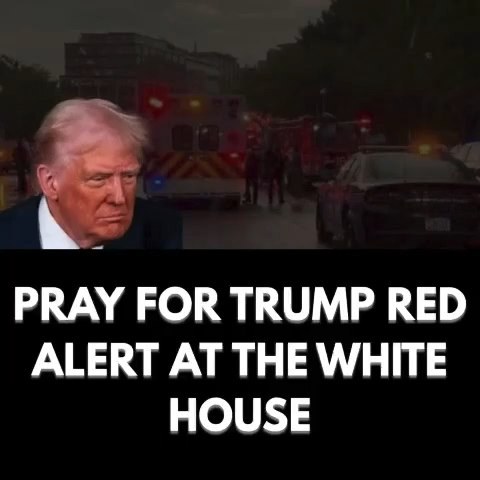
As President Trump pushes a “Make D.C. Safe Again” agenda, Congress is moving on crime legislation that could reshape Washington, D.C.’s criminal justice system. Here’s what’s at stake.
Congress Prepares to Debate Crime Bill Amid Trump’s Washington, D.C. Initiative
Congress is moving rapidly to debate a tough crime bill, aligning closely with President Trump’s aggressive push to address crime in Washington, D.C. His “Make D.C. Safe Again” initiative has sparked a legislative battle that could dramatically alter the city’s criminal justice system.
🔦 What Is Trump Proposing in D.C. Crime Crackdown
-
Trump recently signed an executive order to create a “D.C. Safe and Beautiful Task Force.” The task force includes multiple federal agencies and aims to step up public safety in Washington, D.C. The Washington Post+1
-
Under the order, Trump is directing the U.S. Park Police, U.S. Marshals, ATF, and other agencies to patrol major public areas in D.C. more aggressively. The White House
-
The White House also plans to hire more federal prosecutors to prioritize violent crime and other serious offenses in D.C. The White House
🏛️ What Congress Is Doing
-
The House Oversight Committee has advanced several bills to codify Trump’s crime agenda in D.C. Oversight Committee
-
One of the bills, H.R. 7530 (D.C. CRIMES Act of 2025), aims to lower the age for defining a “youth offender” from 24 to 18. It also removes local judicial discretion for certain sentences. Congress.gov+1
-
Another important bill is the Strong Sentences for Safer D.C. Streets Act, which would increase mandatory minimums for serious crimes like murder and burglary in D.C. Oversight Committee
-
The House also passed the D.C. Juvenile Sentencing Reform Act, lowering the age when a minor could be tried as an adult for certain violent crimes — from 16 down to 14. Oversight Committee
✊ Support and Opposition
-
Supporters, including Oversight Committee Chairman James Comer, applaud Trump’s crime crackdown as necessary to restore law and order in the nation’s capital. Oversight Committee
-
Critics warn that these moves threaten D.C.’s “Home Rule” — the city’s right to self-govern — by giving too much power to Congress and the federal government. The Guardian
-
Legal questions also loom: Trump’s declaration of a crime emergency and takeover of law enforcement in D.C. raised concerns about overreach under the Home Rule Act. Wikipedia
🌐 Why This Matters
-
Power Shift: If passed, these bills would significantly reduce the D.C. Council’s power over sentencing and policing — expanding federal influence in the city.
-
Law Enforcement Tactics: More federal agents and tougher sentencing could change how crime is prosecuted in D.C., shifting more cases to federal court.
-
Political Stakes: This isn’t just about public safety — it’s a major political move. Trump and congressional Republicans are framing this as law-and-order reform, while opponents accuse them of using crime to undermine D.C.’s autonomy.
✅ What Happens Next
-
The Oversight Committee is scheduled to hold a hearing on these crime bills, with D.C. officials like the mayor, council chair, and attorney general expected to testify. Washington Examiner
-
If the bills pass the House, they’ll head to the Senate, where tougher negotiation is likely.
-
All of this is unfolding as Trump appears to want long-term control of D.C.’s law enforcement, not just a temporary crackdown. Washington Examiner
Final Thoughts
President Trump’s D.C. crime initiative isn’t just a rhetoric campaign — Congress is backing him up with serious legislation. The proposed crime bill could reshape Washington’s justice system and shift real authority away from local leaders.
Whether this crackdown will ultimately make the city safer or raise constitutional concerns will depend on how these bills fare in Congress — and how much power lawmakers are willing to give the federal government.