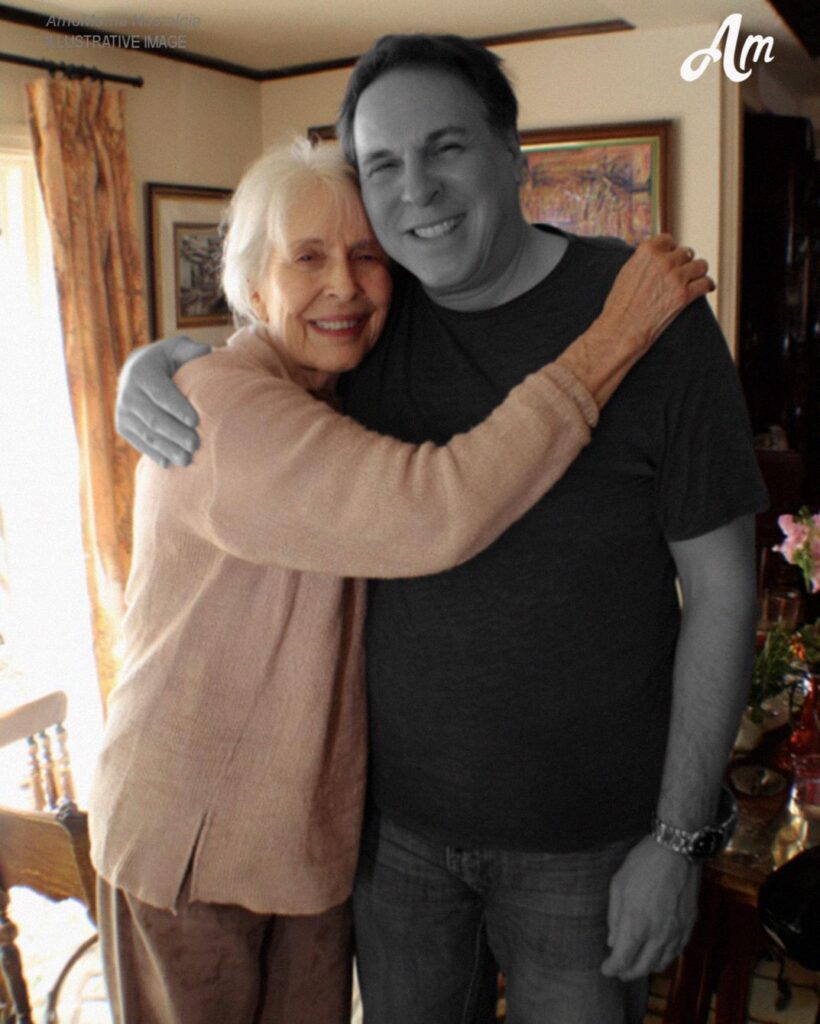
After losing her son, a grieving mother was thrown out by her daughter-in-law and forced to live in a shelter. But a hidden secret her son left behind soon turned everything upside down.
When my son, Michael, passed away, my whole world fell apart. He was my only child, my support, and the reason I kept going after losing my husband years ago. After the funeral, I moved in with my daughter-in-law, Sarah, hoping we could comfort one another during the most painful time of our lives.
But I was wrong.
At first, she acted kind, offering a room and promising we would get through our grief together. But within weeks, everything changed. She started snapping at me, blaming me for “hovering,” and saying I made her uncomfortable.
One morning, she walked into the kitchen with cold eyes and said:
“You need to leave. Today.”
I had nowhere to go. No family. No savings. Only a small bag of clothes and the last photo I took with my son. Sarah didn’t care. She shoved my things into a box, pushed it into the hallway, and shut the door in my face.
I ended up in a women’s shelter.
The staff were kind. The women there understood what loss and loneliness felt like. Still, every night, I cried myself to sleep, wondering how my life had fallen apart so quickly.
But what Sarah didn’t know was this:
My son had a secret. A very important one.
A few months before he died, Michael had asked me for some documents. He said he was “changing some things” and wanted to make sure I was taken care of. I didn’t fully understand at the time, but I trusted him.
Weeks after being kicked out, I received a phone call that changed everything.
It was Michael’s lawyer.
“Mrs. Andrews,” he said, “we need you to come to the office. It’s about your son’s will.”
I froze. I didn’t know he even had a will. When I arrived, the lawyer greeted me with a warm smile and handed me the paperwork.
Michael had left everything to me.
Not to Sarah.
To me.
His house, his savings, his insurance policy — all of it. He had written:
“My mother has always been there for me. I trust her to use what I leave behind with love and honesty.”
Sarah had no idea.
In fact, she had already been making plans — selling furniture, talking about moving, and acting as if she owned everything. But legally, none of it was hers.
The lawyer informed her the same day.
She showed up at the shelter, crying, begging me to talk. Suddenly she wanted to “fix our relationship,” insisting she hadn’t meant to kick me out and that she was “going through a lot.”
But her tears didn’t move me.
I looked at her calmly and said:
“When I needed a home, you turned me away. Now your choices have consequences.”
I didn’t scream. I didn’t insult her. I simply walked back inside the shelter.
With Michael’s inheritance, I bought a small home near the park he loved. I donated part of his insurance money to the shelter — the people who actually cared when I had nothing.
Sarah moved out of the house she thought she owned and never apologized again.
And me?
I live quietly now, surrounded by peaceful memories of my son. I miss him every day, but I know he protected me even after he was gone.
His secret wasn’t about money.
It was about love — a final act of kindness from a son who wanted to make sure his mother would never be alone.