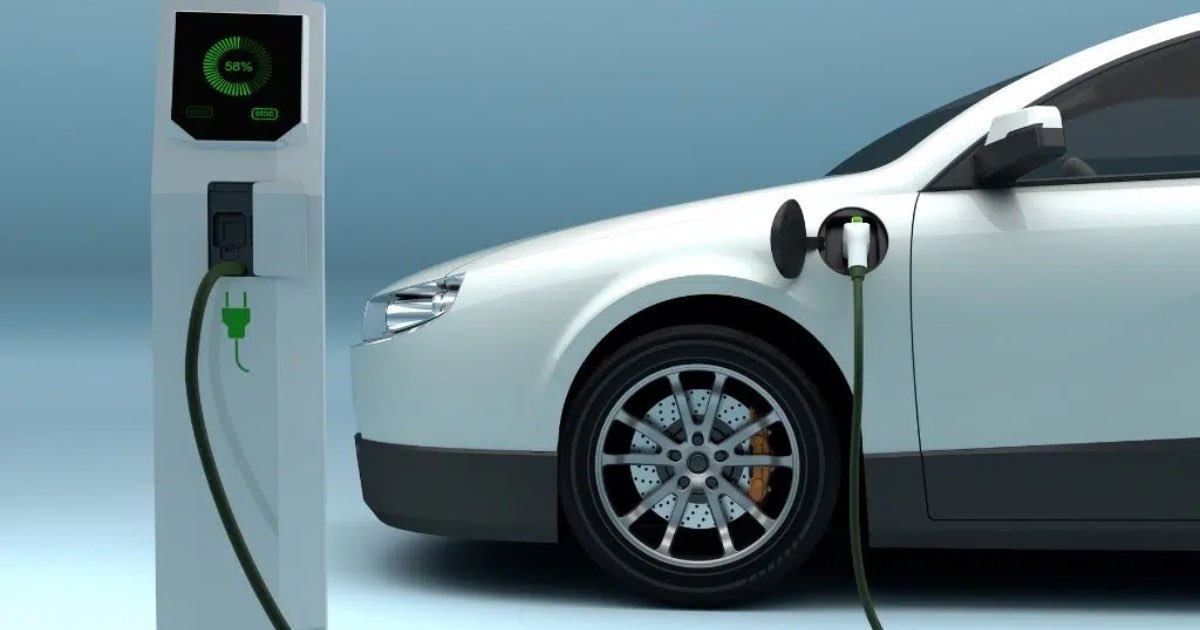
Electric cars are indeed a modern technological advancement that offer multiple environmental benefits compared to traditional internal combustion engine (ICE) vehicles. Here’s a breakdown of their advantages:
1. Reduced Emissions
- Zero Tailpipe Emissions: Electric vehicles (EVs) don’t produce tailpipe emissions like carbon dioxide (CO₂), nitrogen oxides (NOx), and particulate matter, which are harmful to both human health and the environment.
- Lower Greenhouse Gas Emissions: Although electricity generation still involves emissions, EVs typically produce fewer greenhouse gases over their entire lifecycle compared to ICE vehicles, especially when powered by renewable energy.
2. Efficient Energy Use
- Higher Energy Efficiency: Electric motors are generally more efficient than ICEs, converting more of the energy stored in batteries to actual movement, reducing wasted energy.
- Regenerative Braking: EVs often use regenerative braking to capture energy when slowing down, storing it back in the battery, which enhances overall efficiency.
3. Reduced Noise Pollution
- Quieter Operation: EVs operate more quietly than ICE vehicles, leading to less noise pollution in urban areas and improving the quality of life for people living in these areas.
4. Improved Air Quality
- Decreased Pollutants: By reducing emissions from transportation, EVs can improve local air quality, which is a significant benefit, especially in densely populated areas where pollution levels are often high.
5. Potential for Renewable Energy Integration
- Compatibility with Clean Energy: EVs can be charged from renewable sources like solar, wind, or hydropower, further decreasing their carbon footprint and aligning with the goals for sustainable energy usage.
6. Reduced Dependence on Fossil Fuels
- Diversifying Energy Sources: Electric cars help reduce reliance on fossil fuels, which have volatile prices and are finite resources, thus supporting a more stable and sustainable energy infrastructure.
While EVs have environmental benefits, challenges remain, such as the carbon footprint of battery production, availability of charging infrastructure, and the need for sustainable disposal of batteries. However, as battery technology and recycling improve, the environmental impact of EVs is expected to decrease further.