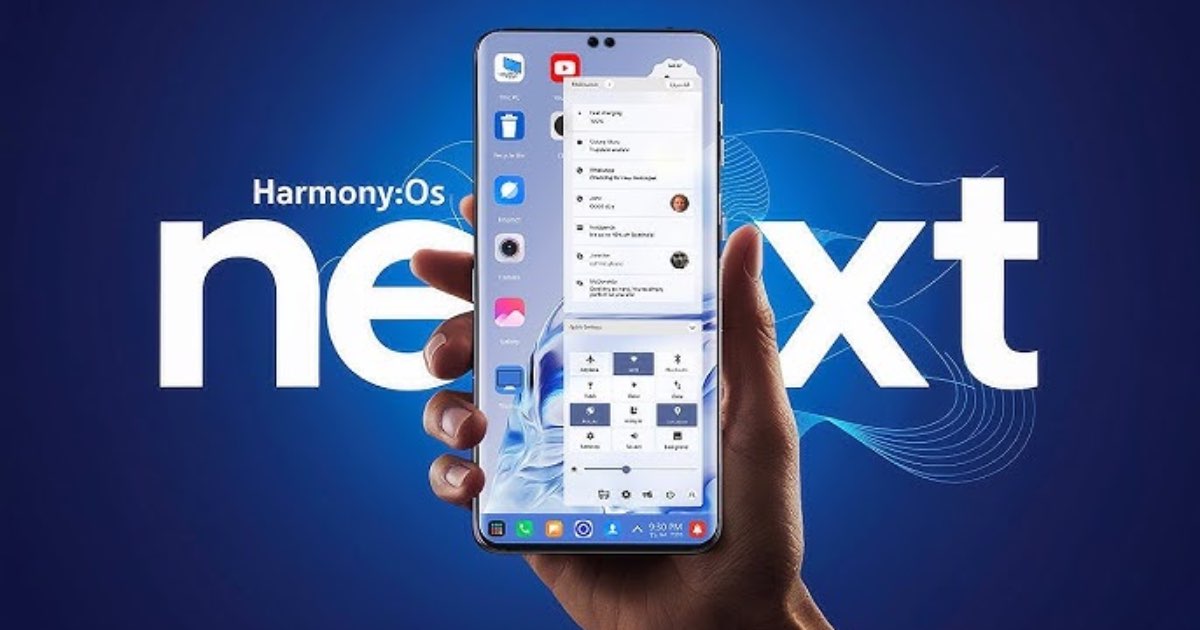
Huawei has ambitious plans for HarmonyOS, aiming for it to become the third most-used operating system globally, right after iOS and Android. HarmonyOS, launched initially to circumvent U.S. sanctions that limited Huawei’s access to Android, has rapidly evolved from an alternative to a potential competitor in the global market.
Here are some key points regarding Huawei’s strategy with HarmonyOS:
- Seamless Cross-Device Integration: Huawei has designed HarmonyOS to integrate seamlessly across a range of devices, from smartphones to tablets, smartwatches, and smart home devices. This ecosystem approach aims to create a connected experience that rivals the Apple ecosystem.
- Developing Its App Ecosystem: The HarmonyOS AppGallery has grown significantly, featuring thousands of apps developed specifically for HarmonyOS. Huawei is heavily investing in partnerships and incentives for developers to expand the app offerings, a critical component of attracting a user base.
- Regional Dominance and Expansion Plans: While HarmonyOS is currently popular in China, Huawei intends to broaden its reach internationally. This includes markets in Asia, Europe, and potentially Latin America, where Huawei already has a strong presence.
- Open-Source Strategy: Huawei has released HarmonyOS as an open-source platform to encourage widespread adoption, similar to Android’s approach. The goal is to have other device manufacturers adopt the OS, which could help it gain traction as a global standard.
- Focus on Security and Privacy: Huawei has positioned HarmonyOS as a secure alternative to Android, focusing on data privacy and building trust with users amid growing concerns about data security.
If successful, HarmonyOS could present a new, competitive alternative for users and create a more diversified smartphone operating system market.