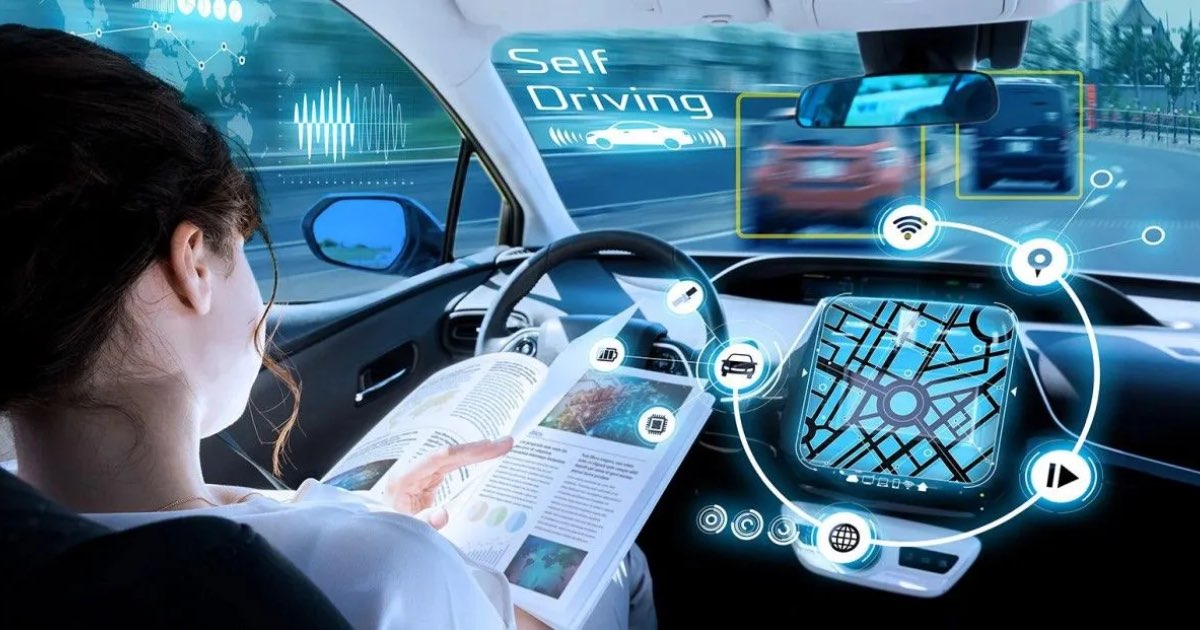
BYD (Build Your Dreams), the Chinese electric vehicle (EV) giant, has announced a substantial $14 billion investment in self-driving technology over the next three years. This move signifies BYD’s strong commitment to advancing autonomous driving technology and aims to position the company among the world’s leaders in smart and autonomous vehicles. Here are some key details about the investment and its implications:
1. Investment Focus
- BYD plans to invest heavily in research and development (R&D) and the deployment of autonomous driving features across its vehicle lineup. This includes technologies like sensor systems, AI-powered navigation, real-time data processing, and vehicle-to-everything (V2X) communication systems.
- The investment will also support artificial intelligence (AI) and machine learning algorithms critical for improving the safety, reliability, and efficiency of self-driving technology.
2. Partnerships and Talent Acquisition
- BYD aims to strengthen partnerships with global technology firms, chipmakers, and autonomous driving specialists to expedite the development of self-driving capabilities. This includes collaborations with companies like Horizon Robotics for AI chips and NVIDIA for advanced computing technology.
- The investment plan also encompasses hiring top talent in AI, robotics, and software engineering to establish a strong workforce focused on autonomy and smart driving.
3. Autonomous Levels Targeted
- The primary goal of BYD’s investment is to achieve Level 3 and Level 4 autonomy.
- Level 3 autonomy allows vehicles to drive themselves under specific conditions but requires human intervention when alerted.
- Level 4 autonomy enables full self-driving without human intervention in certain controlled environments or designated areas (like urban settings).
- BYD plans to roll out initial self-driving features incrementally in its premium electric models and later integrate these technologies across its entire EV lineup.
4. Strategic Importance for BYD
- BYD’s autonomous driving focus is aimed at competing more directly with leading EV makers like Tesla, NIO, and Xpeng, all of which are also investing in self-driving and smart vehicle technology.
- This investment is strategically aligned with BYD’s growth plans in both domestic and international markets, as many countries are pushing for intelligent and autonomous transport solutions.
5. Impact on the Global EV Market
- BYD’s $14 billion commitment is among the largest single investments in autonomous technology by any Chinese EV company, positioning BYD as a frontrunner in the global autonomous driving race.
- With increased competition and advancements in self-driving technology, BYD’s move is expected to accelerate industry-wide innovation and reduce production costs for autonomous vehicle features, potentially making them more affordable in the near future.
6. Enhanced Safety and Efficiency
- BYD’s investment will focus on developing safety features like advanced driver assistance systems (ADAS), collision prevention, lane-keeping, adaptive cruise control, and enhanced monitoring systems. These upgrades aim to improve vehicle safety standards and bring fully autonomous vehicles closer to mass production and usage.
7. Timeline and Future Projections
- BYD has set an ambitious timeline for this investment, with plans to have advanced autonomous driving capabilities integrated into some vehicle models by 2025. By 2030, BYD aims for a substantial portion of its fleet to be fully autonomous, leveraging this technology to create a seamless smart transportation experience.
Summary
BYD’s $14 billion investment marks a bold move in the global EV and autonomous driving sectors, and it reflects a broader industry trend as automakers focus on advanced, sustainable, and safe transportation technologies. This investment could potentially increase BYD’s market share and establish it as a leader in the autonomous EV space, helping to shape the future of smart and self-driving vehicles globally.